
 Image 1 of 1
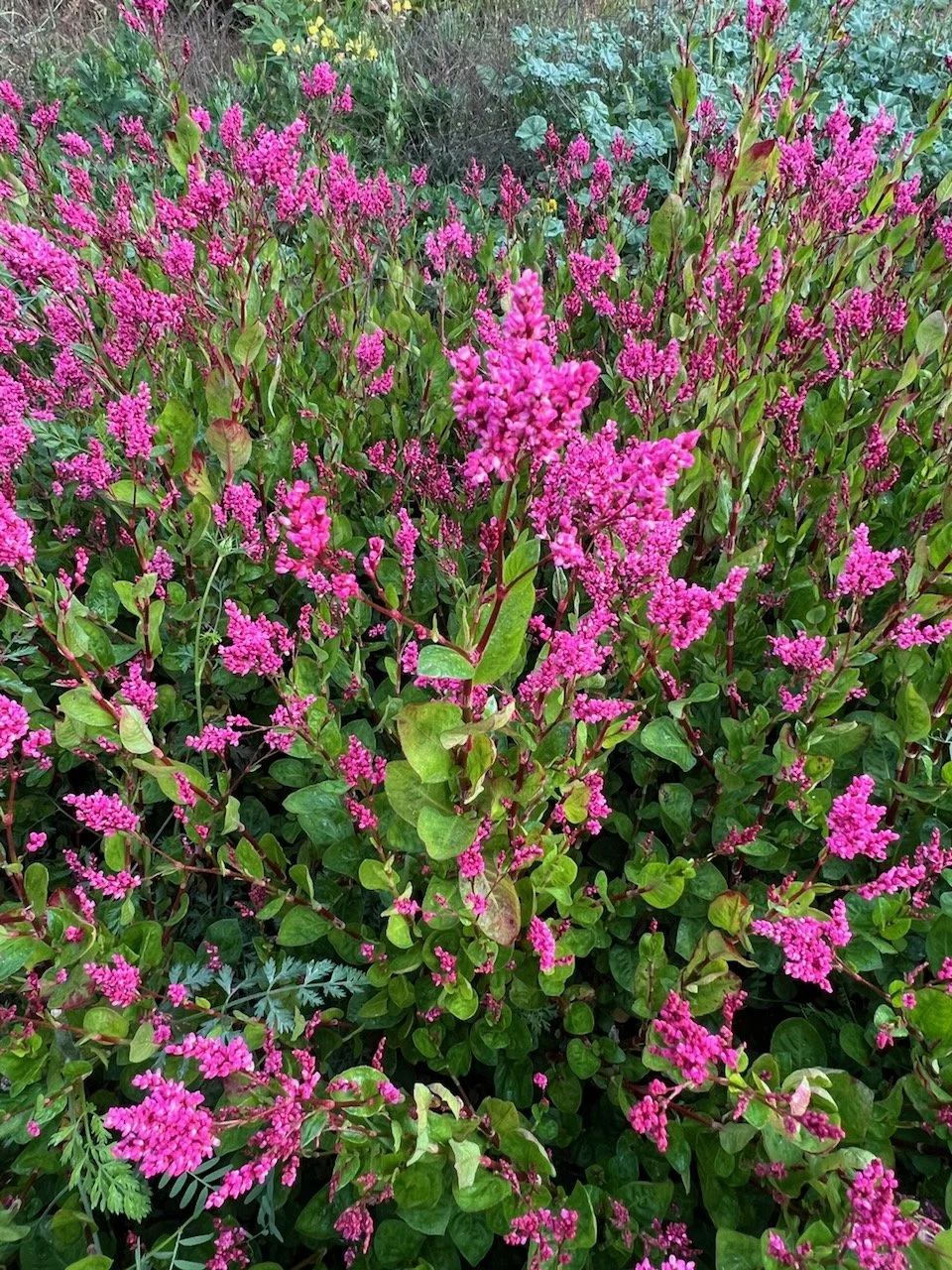
Japanese Pink Indigo is a fast-growing annual prized for its lush green leaves and delicate clusters of soft pink flowers. Best known for its ability to produce a rich, natural blue dye from its foliage, this beautiful and functional plant brings both ornamental charm and creative possibility to the garden. With its upright growth habit and vibrant stems, Japanese Indigo adds texture and color to sunny beds, dye gardens, and containers.
Medicinal Benefits:
While Japanese Indigo is primarily cultivated for natural dye production, indigo species have historically appeared in traditional herbal practices. Today, it is best appreciated for its dye properties rather than home medicinal use. Its true value lies in the vibrant blue pigment extracted from its fresh leaves.
Native Status:
Native to East Asia, Japanese Indigo thrives in warm climates and performs beautifully in Georgia’s summer heat. It is grown as a warm-season annual and must be replanted each year after frost danger has passed.
Pollinator Friendliness:
In late summer, Japanese Indigo produces airy pink flower clusters that attract small pollinators and beneficial insects, adding ecological value to its ornamental and dye uses.
Height: 2–4 feet tall
Spacing: 12–18 inches
Sun/Shade: Full Sun to Partial Shade
How to Grow: Plant after the last frost in rich, well-draining soil amended with compost. Japanese Indigo thrives in warm temperatures and consistent moisture. Pinch young plants to encourage bushier growth and increased leaf production for dye harvest. Remove flower heads if you want to prolong leaf production throughout the season.
Available in 2.5 inch pots
Japanese Pink Indigo is a fast-growing annual prized for its lush green leaves and delicate clusters of soft pink flowers. Best known for its ability to produce a rich, natural blue dye from its foliage, this beautiful and functional plant brings both ornamental charm and creative possibility to the garden. With its upright growth habit and vibrant stems, Japanese Indigo adds texture and color to sunny beds, dye gardens, and containers.
Medicinal Benefits:
While Japanese Indigo is primarily cultivated for natural dye production, indigo species have historically appeared in traditional herbal practices. Today, it is best appreciated for its dye properties rather than home medicinal use. Its true value lies in the vibrant blue pigment extracted from its fresh leaves.
Native Status:
Native to East Asia, Japanese Indigo thrives in warm climates and performs beautifully in Georgia’s summer heat. It is grown as a warm-season annual and must be replanted each year after frost danger has passed.
Pollinator Friendliness:
In late summer, Japanese Indigo produces airy pink flower clusters that attract small pollinators and beneficial insects, adding ecological value to its ornamental and dye uses.
Height: 2–4 feet tall
Spacing: 12–18 inches
Sun/Shade: Full Sun to Partial Shade
How to Grow: Plant after the last frost in rich, well-draining soil amended with compost. Japanese Indigo thrives in warm temperatures and consistent moisture. Pinch young plants to encourage bushier growth and increased leaf production for dye harvest. Remove flower heads if you want to prolong leaf production throughout the season.
Available in 2.5 inch pots