
What to Plant in Late February in Georgia
If you’re in North Georgia or Metro Atlanta, you’ve probably noticed it. The light lingers a little longer. The soil doesn’t feel quite as stiff. There’s a subtle shift happening. Late February isn’t full-blown planting season. But it is an invitation to begin, gently.
Here in zones 7b–8a, this is the time to ease into the growing season with cold-hardy herbs. The key is choosing plants that appreciate cool weather and keeping frost protection nearby to shield tender new growth when temperatures dip.
Think of it as stretching before the sprint.
Let’s start with the sturdy ones.
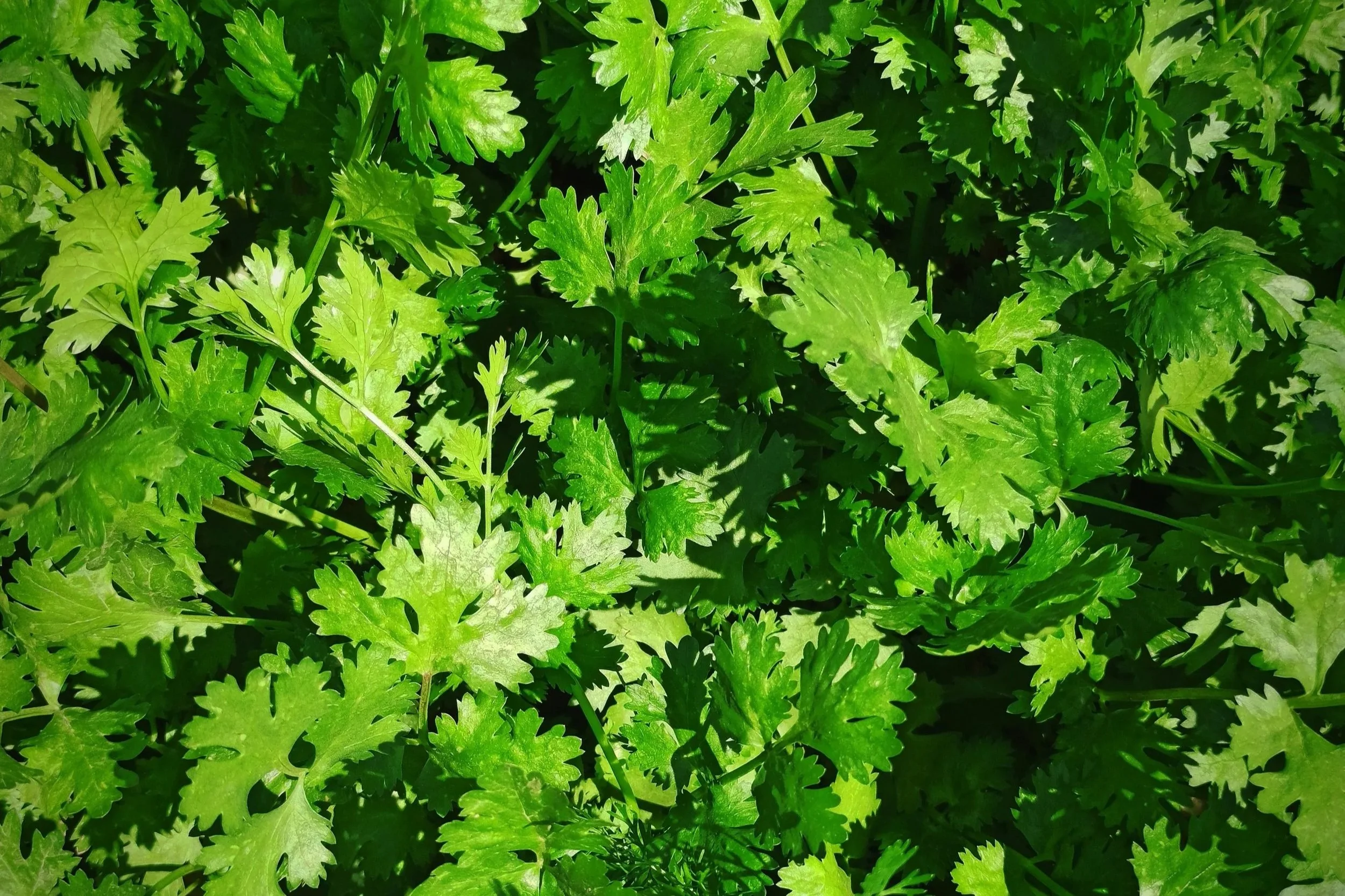
Cilantro (Coriandrum sativum)
If there’s one herb that appreciates a February start, it’s cilantro.
Cilantro thrives in cool weather and actually prefers these mild late-winter conditions. Planting now allows roots to establish before the heat encourages bolting.
Why late February works:
Cool soil encourages steady growth
Longer harvest window before spring heat
Less stress on young plants
Protect new growth:
While cilantro is cold tolerant, tender new leaves can be damaged by a hard freeze. Keep frost cloth or row covers handy for nights below 32°F.
This is a plant that rewards patience — and early starts.
Dill (Anethum graveolens)
Dill is another cool-season favorite that appreciates a head start.
Its feathery foliage handles light frost well, and planting now gives it time to root deeply before warmer days arrive.
Why ease in with dill:
Establishes before spring temperature swings
Attracts beneficial insects early
Extends harvest into late spring
Gentle reminder:
Cover young plants during deep freezes and protect from strong wind. Early growth is resilient — but still tender.
Calendula (Calendula officinalis)
Calendula feels like sunshine in flower form — and it’s surprisingly tough.
This cool-season bloomer thrives in Georgia’s late winter and early spring. Starting now means earlier blooms and stronger plants before summer heat.
Why plant now:
Tolerates chilly nights
Supports early pollinators
Beautiful + medicinal
Protect the buds:
While the plant handles cold well, frost can damage forming flower heads. A simple overnight cover preserves those first blooms.
German Chamomile (Matricaria chamomilla)
German Chamomile prefers cooler conditions and won’t tolerate Georgia’s summer heat for long. Late February gives it the runway it needs.
Plant it now, let it root in slowly, and you’ll be harvesting soothing flowers before summer arrives.
Light frost? No problem.
Hard freeze? Offer protection.
Roman Chamomile (Chamaemelum nobile)
Roman Chamomile, the perennial sister, benefits from early planting because it spreads and establishes gradually.
Late February planting allows roots to anchor deeply before the growing season accelerates.
It’s not flashy. It’s steady.
And that’s exactly what this season calls for.
Other Culinary Herbs to Start Gently
Late February is also a good time to introduce:
Chives
Garlic Chives
Marjoram
Lemon Balm
All of these tolerate cool weather and appreciate a slow start. The goal isn’t rapid top growth — it’s root establishment.
The February Rule: Protect the New Growth
Even cold-hardy herbs need care in their earliest stages.
Keep these nearby:
Frost cloth or row covers
Lightweight fabric (old sheets work in a pinch)
Mulch at the base to insulate roots
In Georgia, temperature swings are common. Protection doesn’t mean babying — it simply supports strong beginnings.
Why This Slow Start Matters
Late February planting isn’t about rushing the season.
It’s about:
Establishing roots while soil is cool
Extending your harvest window
Building resilience before spring storms
Working with Georgia’s climate instead of fighting it
This is the quiet start, the thoughtful beginning.
And if you ease in with cold-hardy herbs now, you’ll be ready when true spring arrives.
