
The Medicine Is in the Pause: Why Winter Rest Is Essential for Plants, People, and the Planet
As January fades into February, the itch for spring begins to grow. We feel it in our bodies, the craving for sunlight, movement, fresh starts. We feel it in the greenhouse too, as tiny herb seedlings lean toward the window and native roots quietly prepare to rise again.
But while it’s tempting to push forward, to start early, to force bloom where dormancy belongs... the truth is: winter is not wasted. It’s essential.
And that includes for you.
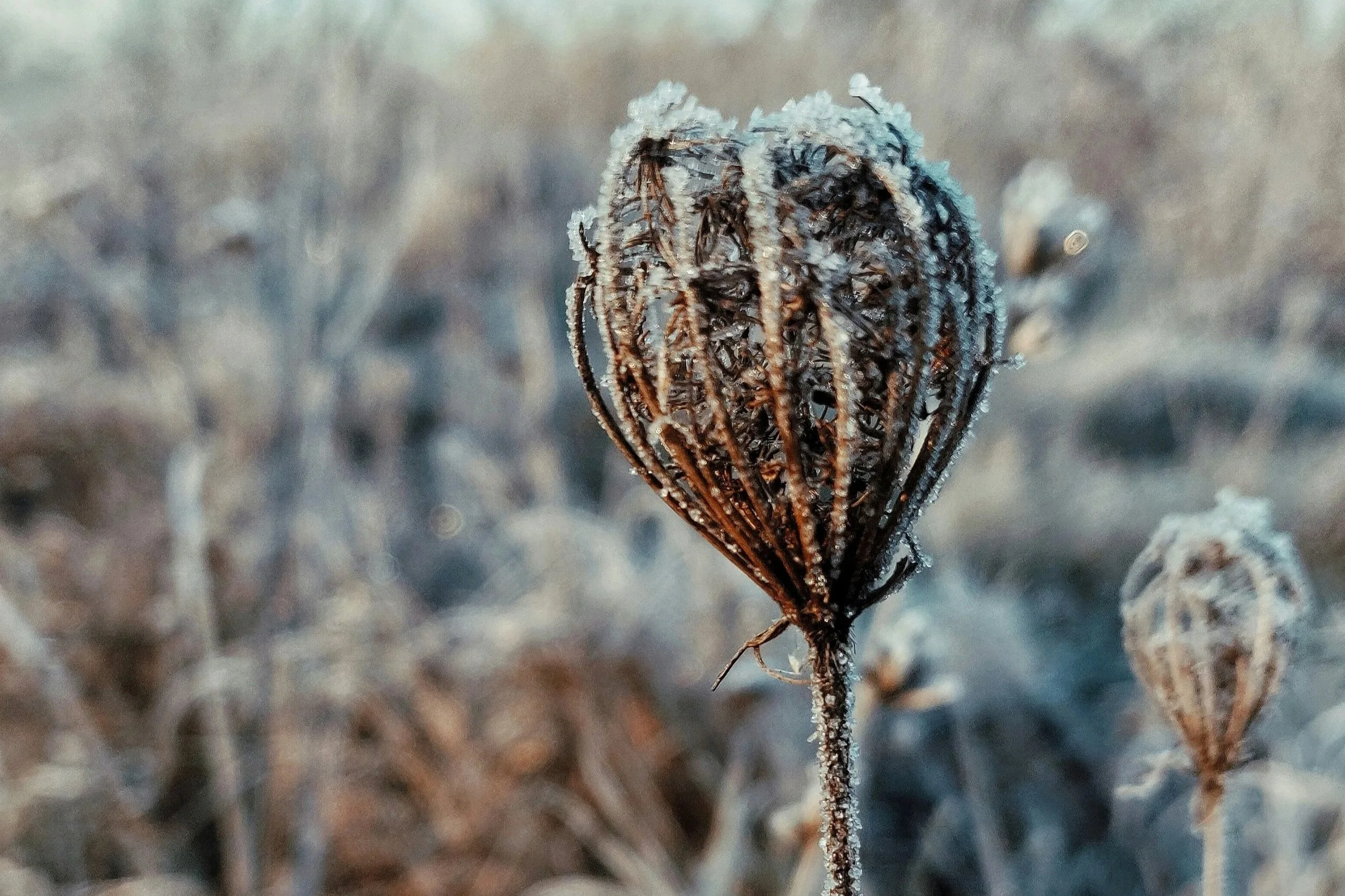
What Plants Know That We Often Forget
Outside our cozy greenhouses, most of the native and medicinal plants we grow are still sleeping — and that’s exactly what they’re supposed to be doing.
In the wild, dormancy is survival. Many perennial and native plants enter a deep rest phase through winter to conserve energy, protect vital resources, and prepare for the burst of spring growth. Some even need exposure to cold (called vernalization) to trigger flowering and fruiting later on.
For example:
Elderberry and Echinacea both benefit from winter dormancy to ensure vigorous blooming.
Native trees like dogwood and oakleaf hydrangea rely on chilling hours to support their natural life cycles.
Milkweed, a keystone native for monarchs, must die back completely to return even stronger.
Without this period of rest, these plants would grow weak, bloom poorly, or fail to regenerate. Winter is not a pause from growth — it's a preparation for it.
What This Means for Your Garden
Whether you’re tending a native backyard bed or keeping potted herbs on your patio, winter can feel like a lull in the action. But behind the scenes, your garden is still working:
Soil is rebuilding its microbiome.
Perennial roots are repairing and storing energy.
Pollinators are tucked into the landscape, overwintering in stems, leaf litter, and dead plant matter.
That’s why leaving the leaves, resisting the urge to cut everything back, and planning your plantings mindfully now can help build a healthier ecosystem come spring.
Even compost piles and cover crops do quiet magic this time of year, slowly transforming into nutrient-rich support systems for the seasons ahead.
What This Means for You
Winter can feel unproductive, especially in a world that celebrates hustle and harvest. But nature tells a different story.
This is the season for nourishing your roots. For cozy rituals. For listening to your body and your garden. For letting yourself pause without guilt.
✨ Herbal steams, warming teas, journaling, greenhouse wandering, resting without “earning it”, these are not luxuries. They’re a part of the natural cycle of wellness.
And just like the plants, you’ll grow stronger when you honor your own need to rest.
What We’re Doing at Planted Wellness Right Now
While our farmers market season is still a few weeks away, winter isn’t idle here. We’re:
Starting seeds in the greenhouse 🌿
Dividing dormant native plants 🪴
Blending small-batch apothecary remedies in the studio ✨
Prepping for a big spring relaunch at Marietta Farmers Market on March 7th (and our 2nd birthday March 8th!)
But even in this hustle, we make space to pause, to observe what’s growing and what’s resting, and to remember that this rhythm is sacred.
A Final Thought: Trust the Cycle
There is a natural wisdom to the seasons.
Winter whispers: “Not yet.”
It says: “Rest now, so you can bloom later.”
And we believe it.
So whether you’re feeling inspired or still in hibernation mode, know that both are valid. The plants aren’t rushing. You don’t have to either.
Take the pause. Trust the roots. Spring is coming.
Keep the Winter Ritual Going:
Try our Seasonal Herbalist Ebook for cozy tea recipes, immune-supporting herbs, and slow wellness rituals
Shop our apothecary for winter wellness goods that support you through the coldest days
See what’s growing behind the scenes and where we’ll be popping up next, join our mailing list
